


If you’re a small business owner, you already know there are a million things competing for your attention — employees, payroll, compliance, leadership challenges, market shifts, and the ever-changing economy. Staying ahead of what’s coming up matters, so you can plan instead of react, and build a workplace that works.
As we’re moving into 2026, here are a few key themes that you can expect to see here in BC: rising labour costs, changing employee rights, and big shifts in how businesses hire and compete for talent.
The good news? When you’re prepared for what’s coming, you can turn change into an advantage. Here are some of the biggest HR and business trends small business owners should keep an eye on.

Minimum Wage Will Increase
Minimum wage continues to be one of the biggest concerns for small businesses, and that’s not changing in 2026. Across Canada, wage adjustments are being linked to inflation and the cost of things continues to rise — meaning increases are minimum wage can be expected.
At a national level, Canada’s federal minimum wage is expected to increase to approximately $18.10 per hour as of April 1, 2026, based on inflation indexing. Several provinces and territories are also adjusting their minimum wages in 2026 in response to cost-of-living pressures. Even if your business isn’t federally regulated, these increases influence market wages, employee expectations, and competition for labour.
Why this matters for small business owners
Minimum wage shifts don’t just affect the people earning minimum wage. This actually creates a ripple effect:
- Compression issues (where newer employees earn close to experienced employees)
- Pressure to adjust pay bands
- Higher payroll costs overall
- The need to re-evaluate pricing and budgeting
Businesses that don’t plan ahead often find themselves scrambling — or worse, unintentionally falling out of compliance.
What you can (and should) do now
- Review your pay structure and identify roles close to minimum wage
- Build annual wage adjustments into your budgeting process
- Revisit pricing and service models if needed
- Make sure your payroll system is updated for new wage changes
Labour is often your highest cost — but it’s also your most important investment. Having an intentional strategy around wages is key to staying competitive and compliant.

Employment Standards Changes
Employee rights in Canada will continue to evolve in 2026, particularly around health, wellbeing, and personal needs.
Recently, BC expanded job-protected leave for serious illness or injury, allowing eligible employees to take up to 27 weeks of unpaid, job-protected leave within a 52-week period. This is a significant protection because it recognizes that serious health issues don’t always resolve quickly — and employees shouldn’t lose their job because they’re unwell. Previous to this, there wasn’t a specific long-term unpaid leave for serious personal illness or injury.
Rules Around This leave:
- Does not need to be taken all at once
- Can be used intermittently if medically supported
- Requires appropriate documentation, such as a medical certificate
This is an important model as it aligns with a wellness movement that can be seen globally by acknowledging that health is not just physical — stress, long-term illness, and mental health struggles are real, human, and impactful.
What this means for employers
For small businesses, extended leave can feel stressful. You may worry about staffing, workload coverage, or maintaining productivity. But here’s the reality: handling these situations poorly creates financial risk and major legal exposure. Handling them well builds trust, loyalty, and a stronger culture.
Employers should be prepared to:
- Understand when this leave applies
- Request appropriate documentation (without overstepping privacy)
- Maintain fair and consistent processes
- Avoid retaliatory or punitive responses
Practical steps to take
- Update your employee handbook or leave policies
- Create a clear internal process for requesting and managing leave
- Train managers on how to respond compassionately and compliantly
- Develop contingency plans for coverage so operations continue smoothly
Supporting employees through serious illness isn’t just a legal requirement — it’s also a mark of a healthy organization.
In 2026, AI is truly becoming a game-changer for small business owners. As we move through this year, AI tools will be seen more and more in the business realm. These tools can be used to help streamline operations and stay competitive.
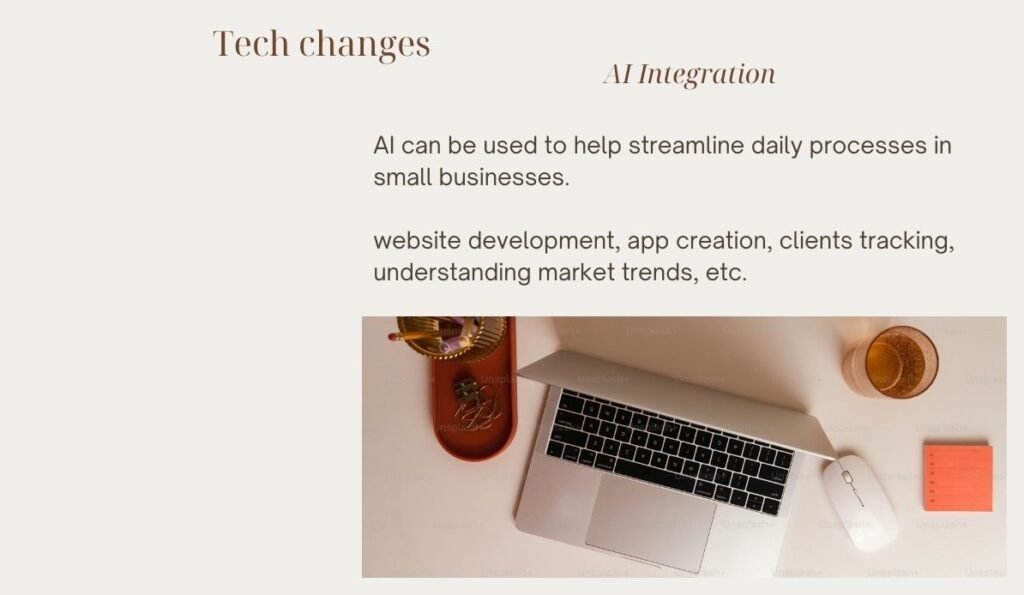
For instance, AI can:
- Enhance recruitment by quickly sifting through resumes and identifying top candidates.
- Assist in customer service with chatbots or virtual assistants, providing quick and accurate responses.
- Help develop personalized apps or websites tailored to our business needs, without the need for coding knowledge or outsourcing.
- Probe for insights into customer behavior and market trends.
What’s exciting is that these AI tools aren’t just for big corporations; they’re accessible and affordable for small business owners as well. By utilizing AI, business owners can not only boost daily efficiency but also create more meaningful connections with customers and clients.
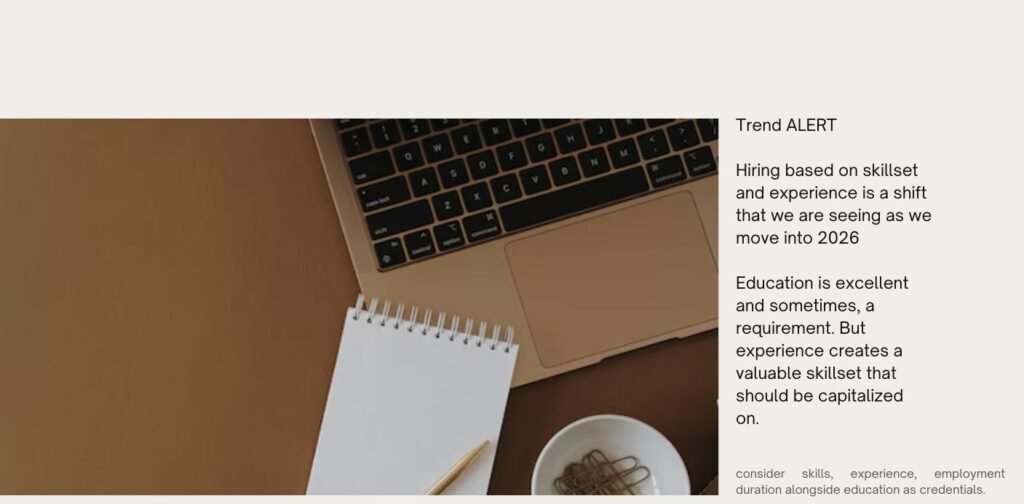
Trend Alert: Skills-Based Hiring
Okay, this one isn’t a law change, but it’s a major trend. One that small businesses can truly benefit from.
Across BC and Canada, employers are shifting away from hiring primarily based on degrees, years of experience, or traditional credentials. Instead, there is a rising focus on skills-based hiring.
Here are some important things to consider when using this model for hiring:
- What can this person actually do?
- What skills do they bring to the role?
- How do they problem-solve, communicate, and adapt?
This change is driven by the fact that strictly using these credentials can make candidates hard to find and many businesses are struggling to fill roles. Traditional hiring filters sometimes exclude great candidates — people who followed non-traditional career paths, individuals who gained experience through entrepreneurship or community work, or people re-entering the workforce.
Skills-based hiring opens doors to stronger, more diverse, more capable talent.
Why this matters for small businesses
For large organizations, hiring can feel slow, bureaucratic, and impersonal. Small businesses have the advantage of flexibility. When you embrace skills-based hiring, you can:
- Access larger and more diverse talent pools
- Fill roles faster
- Reduce bias in hiring
- Find people who actually perform well — not just interview well
This trend is also backed by various workforce development initiatives across BC designed to support job seekers in building job-ready skills.
How to start shifting your hiring mindset
- Rewrite job postings to focus on competencies, not just credentials
- Consider practical assessments or working interviews (within legal guidelines)
- Be open to candidates with non-linear career paths
- Train hiring managers on evaluating skills instead of resumes alone
The businesses that hire smart will win in 2026.
2026 is About Being Proactive, Not Reactive
When we look at these trends together, a clear theme emerges: the future of business is intentional.
Wage increases require intentional financial planning.
Leave protections require intentional policy and leadership.
Skills-based hiring requires intentional people strategy.
None of these changes are designed to hurt businesses — they’re designed to create healthier, fairer, more sustainable workplaces. But these changes do affect the way you have to operate in 2026. The difference between feeling overwhelmed and feeling confident simply comes down to preparation.