




When employers validate, recognize, and reward their teams, it’s not just a nice-to-have — it’s actually a measurable investment. Recognition drives morale, boosts engagement, reduces turnover and even saves money that would otherwise be spent recruiting and training replacements. Below I’ll break down the evidence-backed returns organizations in Canada (and beyond) see from simple, consistent recognition — plus practical steps small employers can take today.

Recognition Moves the Needle — Fast
Recent longitudinal research shows that employees who receive high-quality recognition are 45% less likely to leaveover a two-year period compared to those who aren’t well recognized. This isn’t about sporadic “good job” comments; it’s recognition that’s timely, specific and meaningful to the employee. Gallup.com+1
Less turnover directly reduces hiring, onboarding and lost-productivity costs. Workhuman’s analysis with Gallup estimates substantial savings from improved retention — for example, a company with 10,000 employees could save millions annually by reducing turnover through a culture of recognition. That’s ROI you can measure on the P&L. Workhuman
Recognition Into Business Outcomes
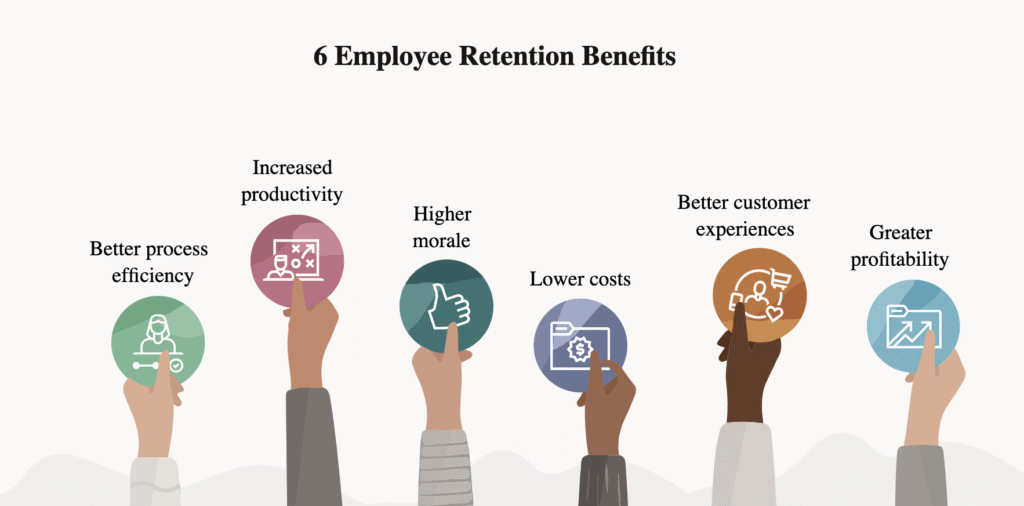
Recognition does more than keep people from leaving. It boosts engagement, which is tightly linked to productivity and safety. Employees who report positive workplace experiences are far less likely to consider leaving — one SHRM report found that a strong employee experience can reduce intentions to leave by roughly 68%. That level of improvement affects output, customer service, and even the organization’s reputation when hiring. shrm.org
In Canada specifically, public-sector surveys show strong links between feeling supported at work and overall job satisfaction — important context for Indigenous organizations and small community employers who rely on stable staffing to deliver programs and services. Supporting staff through recognition is a practical way to sustain that satisfaction. Statistics Canada+1
Low-Cost, High-Impact
One of the most attractive things about recognition is that effective programs don’t need huge budgets. Gallup notes that recognition can be as simple as a personal, sincere thank-you that aligns with what motivates the person being recognized — and yet these small acts of appreciation compound into meaningful results. In other words: the per-employee cost is low while the organizational payoff (reduced turnover, higher engagement, fewer absences) is high. Gallup.com
What “good” recognition looks like
Not all recognition programs deliver the same ROI. To get the best results, aim for recognition that is:
- Timely: Recognize contributions as close to the event as possible. Delayed praise loses impact. Investopedia
- Specific: Call out exactly what the person did and why it mattered.
- Authentic: Praise from peers and leaders carries weight when it’s genuine. Peer recognition programs often amplify impact. Investopedia
- Inclusive: Make sure recognition reaches all levels and departments — small teams included.
- Actionable: Tie recognition to behaviours you want to see more of (collaboration, client focus, safety).
The Perk HR Way: Recognition Meets Wellness
At Perk HR, we believe recognition and wellness go hand in hand — especially as the colder months set in. That’s why we created the Stay Well Collective: a seasonal offering designed to help employers show their team some love while keeping them healthy, happy, and appreciated.
The Stay Well Collective is filled with curated wellness goodies — think comforting self-care items, wellness treats, and thoughtful touches that remind your team how valued they are. It’s the perfect way to say thank you and keep morale high during the winter season.
Because when your team feels cared for, they perform better — and that’s the kind of ROI that truly matters.

Quick wins for small Canadian employers
- Daily/weekly shoutouts: Start meetings with 1–2 team shoutouts. Low effort, high signal.
- Peer-to-peer recognition board: Virtual (Slack/Teams) or physical — let staff post quick thank-yous.
- Spot awards: Small gift cards, extra time off, or tokens that align with your budget and culture.
- Manager training: Teach managers how to give meaningful recognition — frequency and quality matter. Gallup.com+1
- Measure it: Add a recognition question to your staff pulse surveys so you can track progress and link it to retention trends. shrm.org
Recognition is not a one-off program or a checkbox on your HR list — it’s an ongoing leadership practice that yields measurable returns. For Canadian small businesses and community organizations, the good news is that recognition doesn’t require a huge budget — it requires consistency, authenticity, and alignment with the behaviours you want to encourage. Do that well, and you’ll see happier teams, fewer departures, and a healthier bottom line.
References
- Gallup, Employee Retention Depends on Getting Recognition Right (2024). Gallup.com
- Gallup, The Importance of Employee Recognition: Low Cost, High Impact. Gallup.com
- Workhuman / Gallup research, Recognition and Retention (report summary). Workhuman+1
- SHRM, Employees With a Positive Employee Experience Are Less Likely to Consider Leaving (2024). shrm.org
- Statistics Canada, Public Service Employee Survey / PSES (2022/2023).